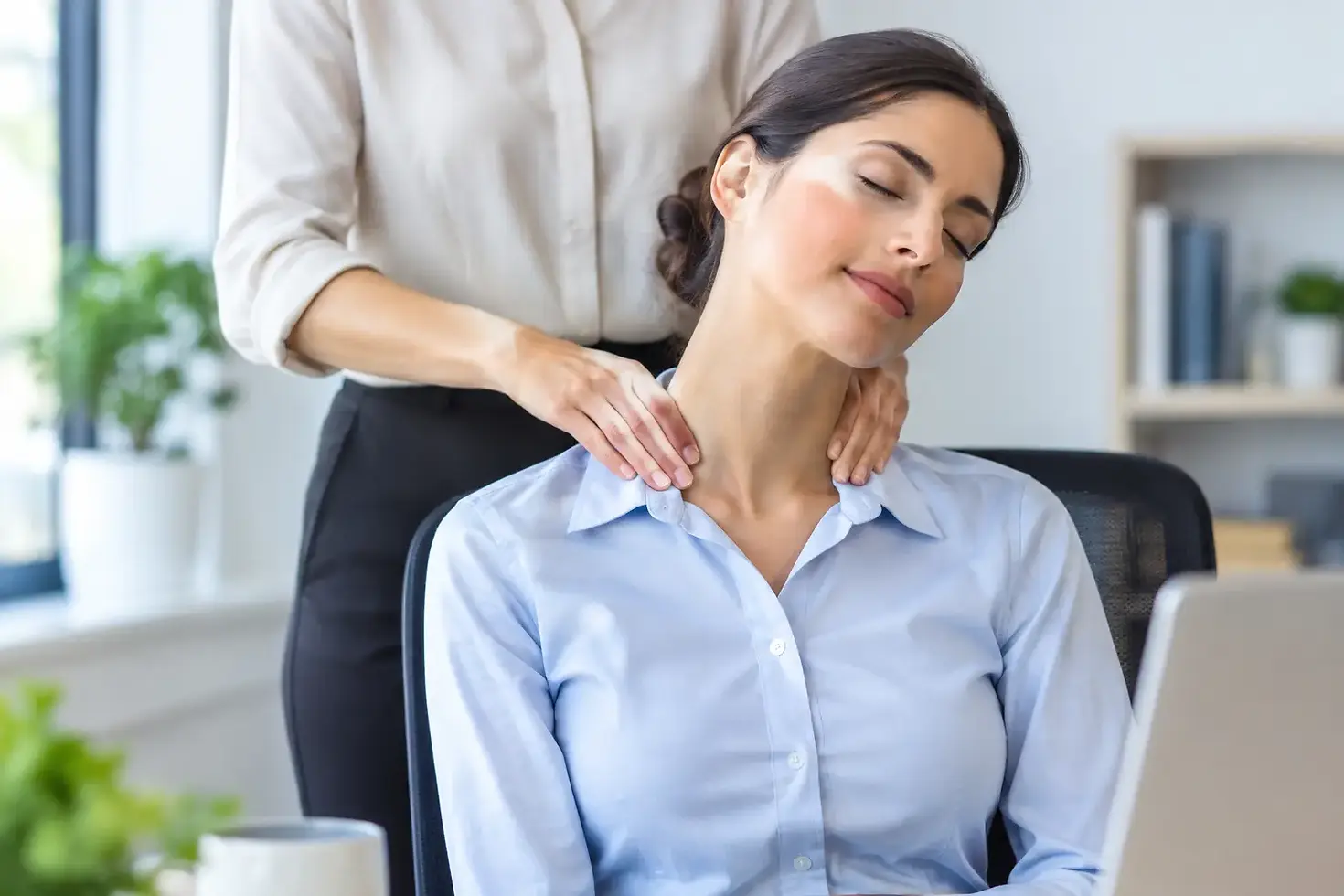
Massage for Office Neck Tension That Brings Relief
The stiffness often starts quietly: your shoulders creep toward your ears during a deadline, your head leans toward the screen, and turning to check traffic on the drive home suddenly feels restricted. Massage for office neck tension offers a restorative pause for muscles that have spent hours holding the same position. It is not about forcing your body to relax. It is about giving overworked areas skilled, attentive care so they can soften and move more comfortably.
For many Concord and East Bay professionals, neck tension is less about one dramatic event and more about the accumulated effect of computer work, meetings, phones, commutes, stress, and too few movement breaks. A personalized massage can address that pattern while giving you space to breathe, reset, and feel refreshed.
Why Office Work Settles Into the Neck and Shoulders
Your neck is supported by a busy network of muscles that help hold and move your head throughout the day. When you work at a screen, those muscles may remain lightly engaged for long stretches. Add a forward-reaching arm position for typing and mousing, and the upper back, shoulders, and chest can join the effort.
Stress changes the picture, too. Many people brace through the jaw, shoulders, and upper chest without realizing it. That does not mean tension is your fault or that there is one perfect posture that solves everything. Bodies benefit from variety. The challenge is simply that desk work often gives them very little of it.
Tightness may show up as a dull ache at the base of the neck, knots along the upper shoulders, a tired feeling between the shoulder blades, or reduced ease when looking side to side. Some people also notice that their shoulders feel heavy by late afternoon, even when the rest of the body feels relatively fine.
How Massage for Office Neck Tension Can Help
A thoughtful massage session begins with listening. Before hands-on work starts, your therapist can ask where you feel discomfort, what your workday looks like, how much pressure you prefer, and whether certain movements feel limited. That conversation matters because neck tension is rarely confined to one small spot.
The session may include the upper back, shoulders, arms, chest, and scalp as well as the neck. Releasing surrounding areas can be especially helpful when the neck is compensating for tight shoulders or a rounded, desk-bound position. Gentle, steady work may calm surface-level holding patterns, while more focused techniques can address deeper muscular tightness when appropriate.
Massage also offers something a quick stretch at your desk may not: time. As the room becomes quiet and the body is supported on the table, your nervous system has an opportunity to shift out of constant alertness. Many clients leave feeling lighter through the shoulders, more aware of how they are holding themselves, and better able to take a full, easy breath.
Results vary. One session can feel wonderfully relieving, particularly after an intense week, but tension that has built over months may respond best to regular care combined with small changes to your daily routine. The goal is not perfection. It is more comfort, more mobility, and a practical way to care for your body before stiffness becomes your normal.
Choosing the Right Massage Pressure
More pressure is not automatically better for office-related neck tension. If muscles are highly sensitive, stressed, or guarded, a light touch relaxation massage may be the most effective place to begin. Slow, soothing pressure can help the body settle without creating more discomfort.
Deep tissue massage can be a good choice for clients who have persistent tightness in the shoulders and upper back and who enjoy firmer, targeted work. The best deep work is controlled and responsive, not a test of endurance. You should always be able to communicate if pressure feels sharp, overwhelming, or causes you to tense further.
A full body massage can also make sense when desk tension is only one part of the picture. Long hours of sitting may affect the low back, hips, forearms, and legs as well. Treating the body as a connected whole can feel more complete than focusing on the neck alone.
At G Massage Therapy, treatment is tailored to your comfort, goals, and response during the session. With 20 years of experience, a certified massage therapist can help you choose a calming or more therapeutic approach without asking you to fit into a one-size-fits-all service.
What to Expect During Your Session
You do not need to arrive with the right massage vocabulary. Simply describe what you notice: “My neck feels tight when I look left,” “My shoulders are up by my ears after work,” or “I get sore between my shoulder blades.” Details about your workstation, exercise routine, sleep position, and recent stress can also help shape the session.
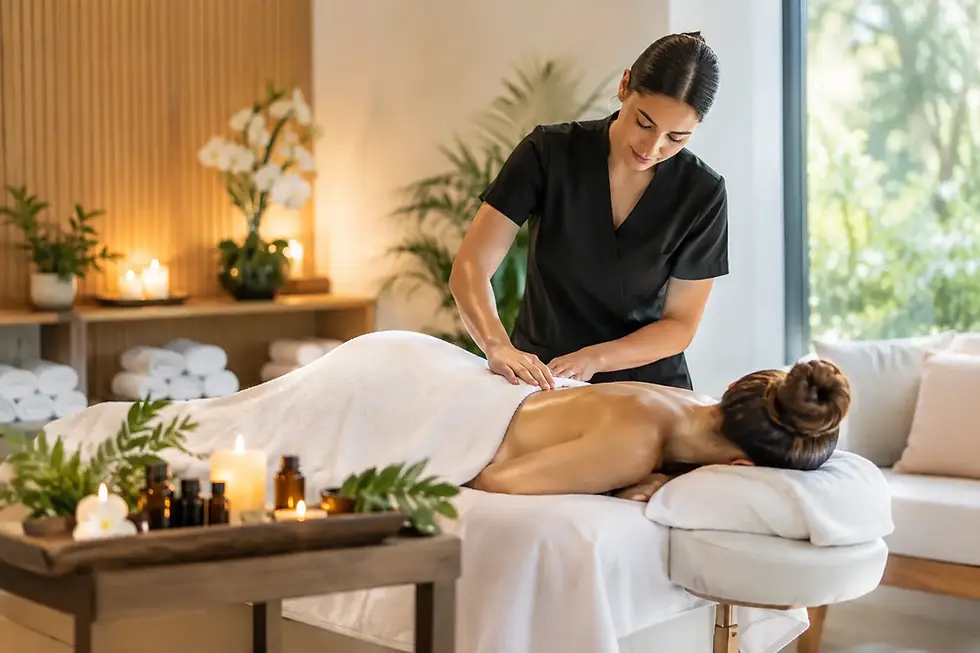
Your therapist may work gradually, checking in about pressure and comfort. Neck-focused massage should feel secure and supported. You may be positioned face down with cushions, face up with a pillow beneath the knees, or turned to the side if that is more comfortable for you. Professional draping is used throughout the session, and only the area being worked on is uncovered.
Afterward, you may feel deeply relaxed, pleasantly loose, or briefly tender in areas that were especially tight. Drinking water, taking a short walk, and avoiding a sudden return to an intense workout can help you notice how your body responds. If you are scheduling during the workday, give yourself a few extra minutes before jumping back into email or traffic.
Small Habits That Extend the Relief
Massage works beautifully alongside realistic movement habits. You do not need an elaborate desk wellness routine. A few moments of variety throughout the day can reduce the sense that your neck and shoulders are carrying every task alone.
Try standing up between meetings, letting your arms swing as you walk for a minute, or changing your gaze from the screen to something farther away. Keep frequently used items close enough that you are not repeatedly reaching and twisting. If possible, adjust your screen so you are not consistently looking down or craning upward.
Your phone deserves attention, too. Holding it low in your lap for long stretches can place extra demand on the neck. Bring it closer to eye level when practical, and switch hands or take breaks during long scrolling sessions. These are not rigid rules. They are simple ways to give your body more options.
At the end of the day, a warm shower, a gentle walk, or a few unhurried shoulder rolls may help ease the transition out of work mode. If stretching feels good, keep it light. Aggressive stretching against a tight, irritated muscle can leave you feeling worse rather than better.
When to Seek Medical Care First
Massage can be supportive for common muscular tension, but it is not the right first step for every type of neck pain. Seek prompt medical evaluation for symptoms such as pain after a fall or collision, sudden severe headache, fever with neck stiffness, unexplained weakness, numbness or tingling that travels down an arm, dizziness, loss of coordination, or changes in vision.
It is also wise to speak with a medical professional before booking if you have a recent surgery, acute injury, blood-clot concerns, certain skin conditions, or a health condition that affects what pressure is appropriate. Sharing relevant information with your massage therapist helps create a session that feels both comfortable and responsible.
Neck tension may be common, but living with it every workday does not have to be your baseline. A regular massage appointment can become a quiet, practical part of caring for the body that supports you through every call, commute, and deadline. Give yourself permission to pause, let your shoulders drop, and return to your day feeling more at ease.


Comments