
Foot Reflexology Benefits for Body and Mind
A long day can settle into the feet before it shows up anywhere else. Whether you spend hours at a desk, stand through a shift, train regularly, or simply carry stress in your body, foot reflexology benefits can offer a welcome pause: focused pressure, soothing touch, and time to let your whole system settle.
Foot reflexology is a massage-based practice that applies intentional pressure to specific areas of the feet. Many people choose it because their feet feel tired, tight, or neglected. Others appreciate how a foot-focused session can create a deeply calming, full-body sense of relief without needing a full massage.
What Is Foot Reflexology?
Foot reflexology is based on the idea that areas of the feet correspond with other regions of the body. During a session, a trained therapist uses the thumbs, fingers, and hands to apply pressure, knead soft tissue, and work through areas of tension in the feet.
It is different from a simple foot rub. While a relaxing foot massage may focus mainly on comfort and muscle release, reflexology uses a more purposeful approach to different zones of the feet. Pressure can be light, moderate, or firmer depending on your comfort, sensitivity, and goals for the session.
At G Massage Therapy, each treatment is shaped around the client in front of the therapist. That matters with reflexology, because feet can be sensitive after exercise, standing, wearing restrictive shoes, or dealing with general day-to-day stress.
Foot Reflexology Benefits That Clients Often Notice
The experience is personal. Some clients feel an immediate sense of calm, while others notice that their feet feel lighter and more comfortable over the next day or two. Reflexology is not a replacement for medical care, but it can be a valuable part of a regular wellness routine.
Relief for tired, overworked feet
Feet absorb a remarkable amount of daily demand. Walking, commuting, workouts, hard floors, and shoes that do not quite fit can leave the arches, heels, toes, and ankles feeling tight. Focused massage may help ease soft-tissue tension and reduce that heavy, fatigued feeling.
This can be especially appealing for teachers, healthcare workers, retail professionals, runners, and anyone who spends much of the day on their feet. Office professionals may benefit, too. Long periods of sitting can still contribute to stiffness in the calves and feet, particularly when movement breaks are limited.
A calmer response to stress
The steady, repetitive pressure of a reflexology session gives the body an opportunity to slow down. Many clients find that the quiet attention to their feet helps them shift out of a rushed mental state and into deeper relaxation.
Stress does not always announce itself as worry. It can show up as clenched jaws, shallow breathing, restless sleep, tight shoulders, or a sense that it is hard to fully switch off. Reflexology will not remove the sources of stress, but a calming massage session can create space to rest and reset.
Support for relaxation and sleep routines
When relaxation is the goal, foot reflexology can be a gentle entry point, especially for first-time massage clients. The treatment is focused, comfortable, and easy to receive. There is no need to explain every ache in the body to enjoy the quiet comfort of attentive footwork.
Some people schedule sessions during periods of poor sleep or high stress because massage helps them feel more settled afterward. Results vary from person to person, but pairing regular bodywork with simple habits such as hydration, comfortable footwear, and a consistent evening routine can support a more restorative rhythm.
A pleasant complement to circulation-focused self-care
Massage and pressure techniques encourage warmth and movement in the feet, which can feel particularly good after sitting for long stretches or being active. Clients often describe a refreshed sensation in their feet and lower legs after treatment.
That said, reflexology should not be viewed as treatment for circulation disorders or other medical conditions. If you have concerns about swelling, numbness, color changes in the feet, or ongoing pain, speak with a qualified healthcare provider. A skilled massage therapist can adapt a session when appropriate, but safety always comes first.
Time to reconnect with your body
The feet are easy to overlook until they hurt. A dedicated reflexology session invites you to notice what your body has been carrying. This kind of awareness can be useful for people who push through discomfort, stay constantly busy, or reserve self-care for the point of exhaustion.
For active clients, reflexology can fit nicely alongside sports massage or a full-body massage. For someone who wants a shorter, lower-intensity relaxation experience, it can also stand well on its own. The right approach depends on whether your main concern is foot fatigue, broader muscular tension, recovery, or stress relief.
What Does a Foot Reflexology Session Feel Like?
A professional session usually begins with a brief conversation about what you are hoping to get from your appointment. You may mention sore arches, heel tightness, a demanding work schedule, recent activity, or simply the desire to relax.
Once you are comfortable, the therapist works gradually through the feet using massage strokes, holds, and focused pressure. Certain areas may feel tender, particularly if your feet are tired or tense. Tenderness should never feel like something you have to endure. Clear communication helps your therapist adjust the pressure so the work remains productive and relaxing.
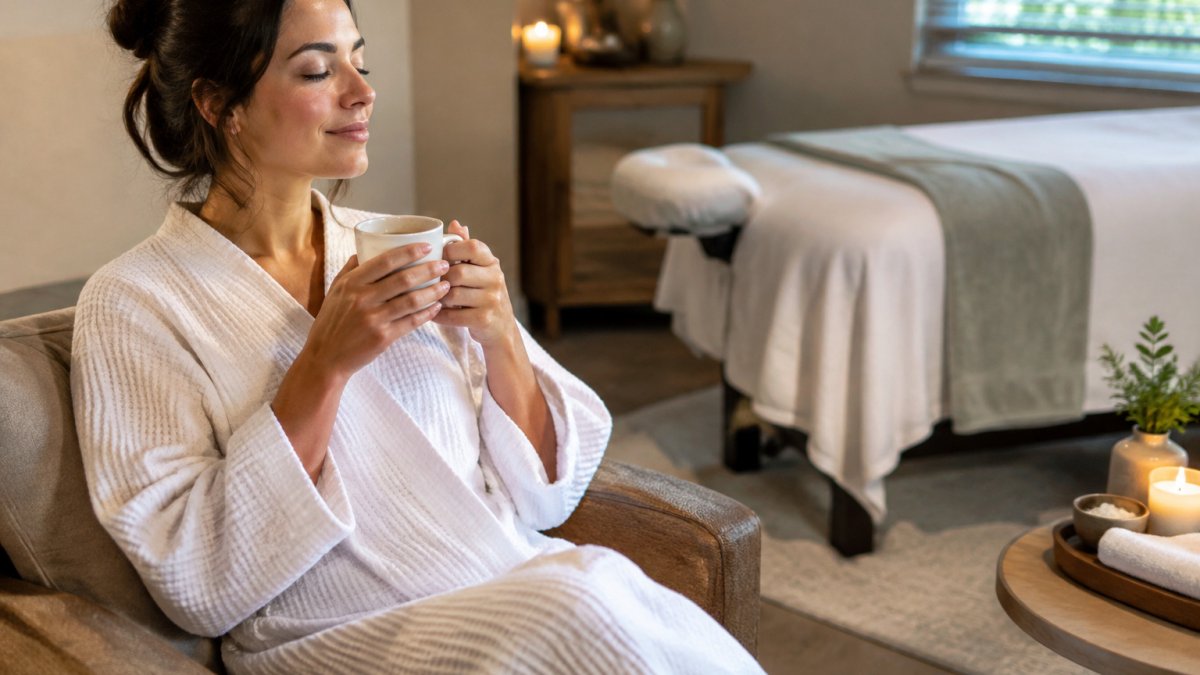
Many clients are surprised by how calming a foot-focused session can be. You may feel relaxed enough to close your eyes, breathe more slowly, or drift into a quiet, restful state. Others enjoy talking through their session. Both are completely welcome.
When Reflexology May Not Be the Best Choice
Reflexology is generally a comfort-focused wellness service, but there are times when footwork should be postponed or modified. Let your therapist know before the session if you have an open wound, rash, active infection, recent fracture or surgery, severe swelling, a blood clotting concern, or significant foot pain that has not been evaluated.
People with diabetes, neuropathy, vascular conditions, osteoporosis, or pregnancy-related concerns should check with their healthcare provider when needed and share relevant information with their massage therapist. This is not about making a relaxing experience complicated. It is about choosing care that is appropriate for your body.
If you are unsure, start with a conversation. An experienced certified massage therapist can help you decide whether a gentle foot-focused session, a modified massage, or a different kind of care makes the most sense.
Making the Most of Your Appointment
You do not need extensive preparation for reflexology. Arrive in comfortable clothing, give yourself a few extra minutes so you do not feel rushed, and be honest about your pressure preferences. If you have been especially active, standing all day, or wearing new shoes that have irritated your feet, mention it.
Afterward, drink water if it feels good, wear supportive shoes, and allow yourself a little space before jumping back into errands or work. The best results often come from treating the appointment as more than one item on a to-do list. Let it be a moment to Revitalize Your Senses and give your feet the thoughtful care they provide to you every day.
A foot reflexology appointment can be a simple, restorative choice when your body asks for a slower pace. Start where you are, communicate what you need, and allow skilled hands to bring comfort back to the part of you that carries so much.


Comments