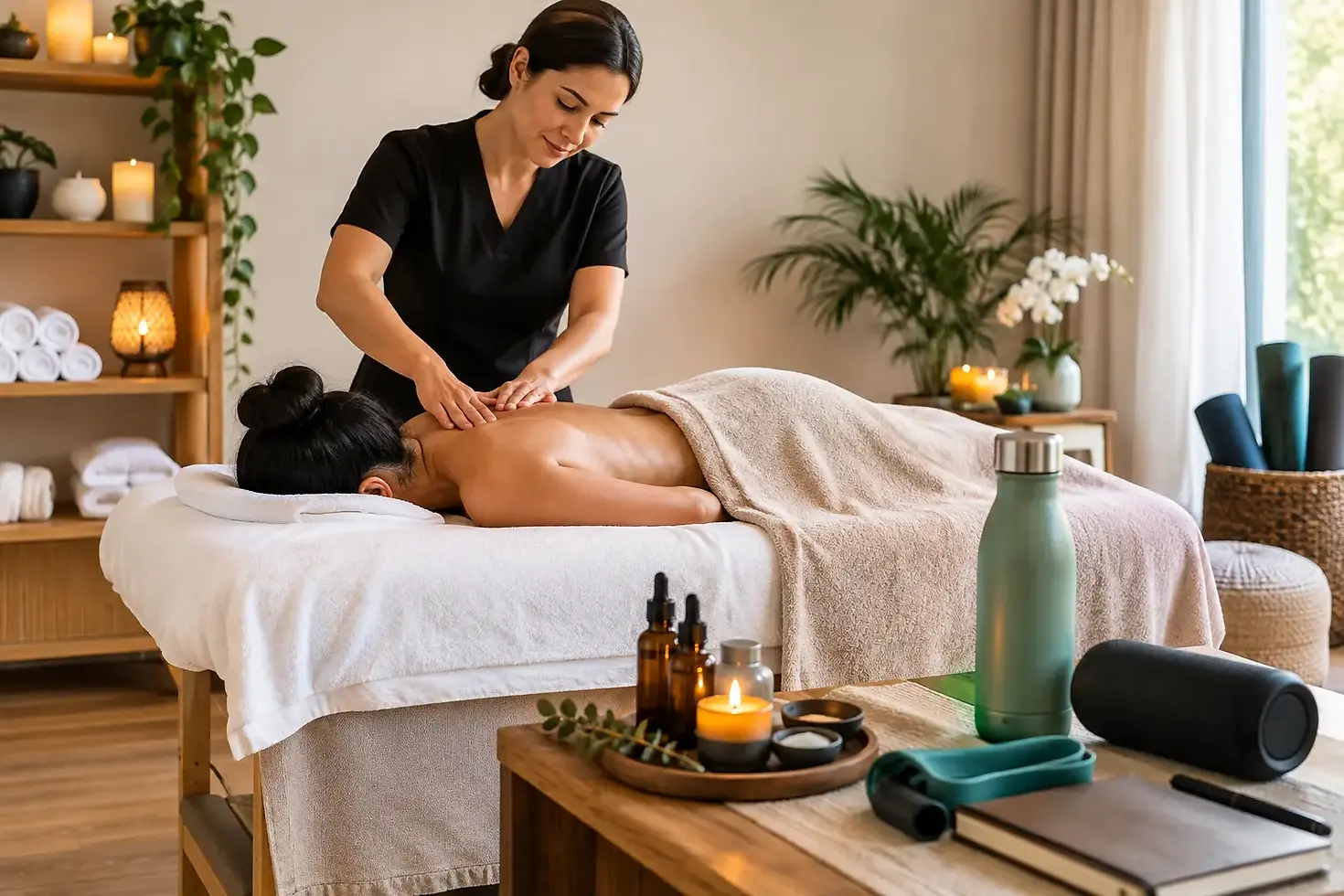
Full Body Massage Benefits for Stress and Recovery
A tense neck after computer work, heavy legs after a long walk, or a mind that will not slow down at bedtime can all make daily life feel harder than it needs to. The full body massage benefits many people notice begin with a simple shift: giving the body dedicated time to soften, rest, and recover with skilled, attentive care.
A full body session is not only a special-occasion treat. For many Concord and East Bay clients, it is a practical part of caring for muscles, managing everyday stress, and feeling more at home in their bodies. The experience can be deeply calming, but it can also be tailored to areas that need extra attention, whether that is the shoulders, low back, legs, feet, or hips.
What a Full Body Massage Can Support
A full body massage generally works across the major areas that carry daily tension, often including the back, shoulders, arms, hands, legs, feet, neck, and scalp. Your therapist may adjust the time spent in each area based on your comfort, goals, and the concerns you share before the session.
The purpose is not to force a quick fix. Thoughtful massage uses hands-on techniques to encourage relaxation in tight soft tissues while creating a calmer setting for your nervous system. The result may be a sense of physical ease, a quieter mind, or both.
Relief for Everyday Muscle Tightness
Hours of sitting, commuting, lifting, training, or looking down at a phone can leave muscles feeling stiff and overworked. Massage can help soften the guarded feeling that often builds around the neck, shoulders, back, hips, and calves. Many clients leave feeling looser and more comfortable moving through their usual range of motion.
The right pressure matters. Light touch relaxation massage may be ideal when your body feels sensitive, depleted, or overwhelmed. If you have more persistent tightness, deeper focused work may be useful in selected areas. More pressure is not automatically better. A good session meets your body where it is and stays within a level that feels productive, not punishing.
A Calmer Response to Stress
Stress does not only live in the mind. It can show up as raised shoulders, a clenched jaw, shallow breathing, restless sleep, or a feeling that you are always bracing for the next demand. A quiet massage session creates space to step away from that pattern.
As the body settles onto the table and receives steady, professional touch, many people notice their breathing deepen and their thoughts slow down. That restful state can feel especially valuable for office professionals and busy caregivers who spend much of the day responding to other people’s needs. You do not have to arrive completely relaxed to benefit. In fact, massage can be a helpful place to begin when relaxation feels out of reach.
Better Support for Physical Recovery
Active clients often schedule massage after workouts, races, recreational sports, or physically demanding work. Sports massage and full body massage can complement a recovery routine by addressing areas that feel fatigued, tight, or heavily used.
Timing and technique depend on the situation. A gentler session may feel best after a demanding event, while more focused work can be appropriate during regular training when the body is not acutely sore. Massage is not a replacement for rest, hydration, mobility work, or medical care when needed. It can, however, be a restorative part of a balanced recovery plan.
Restful Sleep and a Refreshed Feeling
One of the most appreciated full body massage benefits is how relaxed people feel afterward. When physical tension and mental busyness ease, it may be easier to settle into a restful evening. Some clients sleep especially well after a massage, while others simply notice that they feel less wired and more grounded.
It helps to keep the rest of the day simple when possible. Drink water, choose gentle movement over an intense workout, and give yourself time to enjoy the calmer feeling. If you feel a little tender after deeper work, that can happen, particularly when muscles have been carrying tension for a long time. Gentle care and a little rest are usually the right response.
Why Personalized Massage Makes a Difference
No two bodies carry stress in the same way. One person may need soothing work across the entire body after a demanding week. Another may want a fuller session with added focus on the low back and hips after exercise. Someone else may come in because their feet ache from standing all day.
A personalized approach begins with a conversation. Share what feels tight, what type of pressure you prefer, whether you have had massage before, and what you hope to feel afterward. You can also speak up during the session. If the room temperature, pressure, or positioning needs to change, your comfort matters.
At G Massage Therapy, a certified therapist with 20 years of experience provides care that blends therapeutic attention with a calming, restorative environment. That experience helps turn a general massage appointment into a session shaped around your body and your goals.
When Deep Tissue Work May or May Not Be the Best Fit
Deep tissue massage can be helpful for clients who prefer firmer pressure and have areas of chronic muscular tightness. It is often chosen for the upper back, shoulders, hips, or legs, where repetitive movement and posture can create a dense, restricted feeling.
Still, deep tissue is not required for an effective massage. If you are new to massage, feeling stressed, recovering from intense activity, or simply craving gentle relaxation, lighter pressure may provide the better experience. The most beneficial session is not the one that leaves you sore. It is the one that supports your comfort and leaves you feeling cared for.
If you have an injury, recent surgery, unexplained pain, fever, skin irritation, a blood clotting condition, or another health concern, check with a qualified medical professional before booking. Tell your massage therapist about relevant health conditions and medications so the session can be adjusted appropriately.
How Often Should You Schedule a Full Body Massage?
There is no single schedule that fits everyone. Some people book a full body massage once a month to maintain relaxation and address the tension that builds with work and life. Others come in more frequently during periods of high stress, athletic training, or demanding physical activity. A first-time client may simply start with one session and notice how their body responds.
Consistency can be more meaningful than intensity. A regular massage routine gives you a chance to pay attention to patterns before discomfort becomes your normal. It also creates a reliable pause in a busy calendar, one where your own well-being is the priority.
Preparing for a More Comfortable Session
You do not need to do much to prepare. Arrive a few minutes early, wear comfortable clothing, and avoid a heavy meal immediately before your appointment. Come with a general idea of what you need, but do not worry if you cannot name every tight muscle. That is part of the conversation.
Afterward, move slowly as you get off the table and give yourself a moment to notice how you feel. Some people are ready to return to their day, while others prefer to keep the evening quiet. Both responses are completely normal.
Making time for massage is a gentle reminder that relief and restoration do not have to wait for a vacation or a crisis. A well-matched full body session can be a calm, practical way to care for the body that carries you through everything else.


Comments